

Loneliness is more than a feeling — for older adults, it’s a serious health crisis that quietly shortens lives. Here’s what every Indiana family needs to know.
Your mother calls less frequently. Your father has stopped attending the weekly church group he loved for thirty years. When you visit, the house feels a little quieter than it used to — and so does he.
For millions of American families, these small changes are easy to dismiss as “just getting older.” But increasingly, medical researchers are calling senior isolation one of the most dangerous — and most overlooked — threats to elder health in the United States. And here in Indiana, where rural communities and suburban sprawl can leave older adults hours away from family, the problem is especially urgent.
In this guide, we’ll cover exactly what senior isolation is, why it’s so physically and mentally harmful, the warning signs most families miss, and — most importantly — what you can do today to protect the older adult in your life.
What Is Senior Isolation — and How Common Is It?
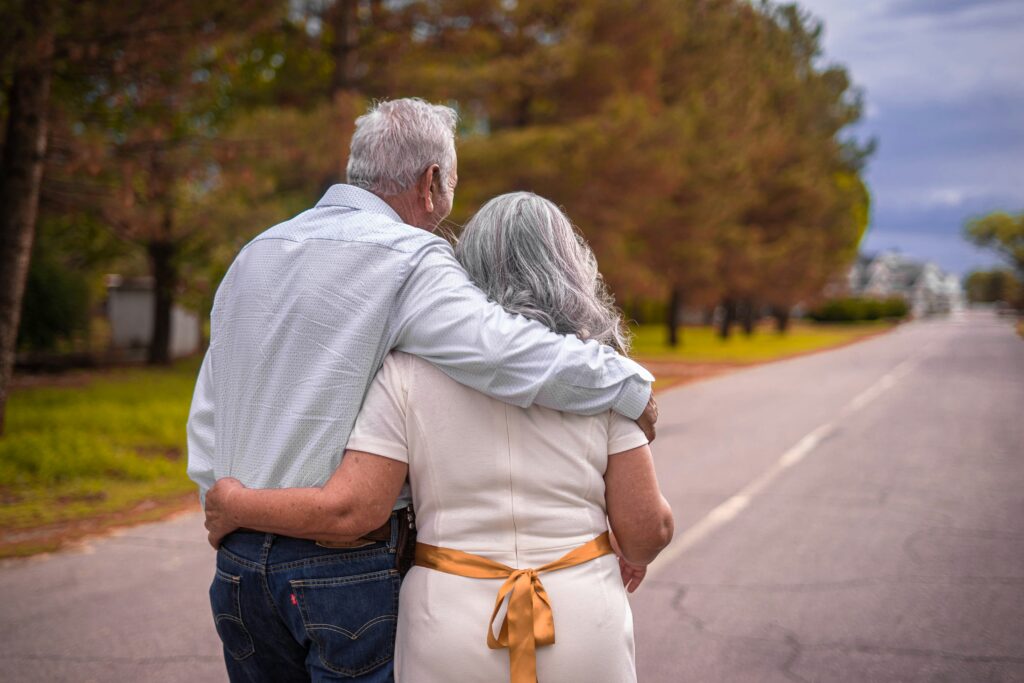
Social isolation refers to having little or no contact with other people. Loneliness is the subjective feeling of being alone, even if you’re not. For seniors, both are dangerously common — and they often feed each other.
The statistics are sobering:
- 1 in 4 Americans aged 65+ are considered socially isolated
- 43% of seniors report feeling lonely on a regular basis
- 26% increased risk of dementia linked to social isolation
What’s driving this? A confluence of factors uniquely affecting older adults: the death of a spouse or close friends, retirement removing daily social structure, mobility limitations making it harder to get around, adult children living in different cities, and chronic health conditions that make leaving the house difficult or uncomfortable.
In Indiana, this is compounded by geography. Many elderly residents live in rural counties where neighbors are miles apart and public transportation is limited. Even in urban centers like Indianapolis, older adults in fixed-income housing can go days without meaningful human contact.
“The health impact of social isolation is comparable to smoking 15 cigarettes a day. This is not a soft, emotional problem — it is a medical crisis.”— U.S. Surgeon General’s Advisory on Loneliness, 2023
The Serious Health Risks of Senior Loneliness

Families often think of elder isolation as a quality-of-life issue — sad, but not dangerous. The medical evidence says otherwise. Chronic social isolation in older adults is linked to a cascade of serious physical and cognitive health outcomes.
Cognitive Decline and Dementia
Regular social engagement is one of the most powerful ways to keep aging brains sharp. When seniors lose their social connections, the brain receives less stimulation, less feedback, and less challenge. Studies show that socially isolated older adults have a 50% greater risk of developing dementia, including Alzheimer’s disease. The mechanism is real: isolation accelerates the buildup of amyloid plaques and tau tangles in the brain that are hallmarks of Alzheimer’s.
Depression and Anxiety
Depression is not a normal part of aging — but it becomes far more common in isolated seniors. Older adults with limited social contact are significantly more likely to experience clinical depression, generalized anxiety, and in severe cases, suicidal ideation. What makes this particularly dangerous is that isolated seniors often have no one close enough to notice the change and intervene.
Heart Disease and Stroke
The link between loneliness and cardiovascular disease is well-established. Isolated seniors show elevated levels of cortisol (the stress hormone), increased blood pressure, and heightened inflammatory markers — all major drivers of heart disease. Research published in the journal Heart found that social isolation was associated with a 29% higher risk of heart disease and a 32% greater risk of stroke.
Weakened Immune Function
Chronic loneliness suppresses immune function at the cellular level, making seniors more susceptible to infections, slower to recover from illness, and less responsive to vaccines. This was starkly illustrated during the COVID-19 pandemic, where isolated seniors experienced dramatically worse health outcomes even independent of direct virus exposure.
Falls and Physical Decline
Isolated seniors are less likely to maintain physical activity, more likely to neglect nutrition, and more likely to fall — and far less likely to have anyone nearby to help if they do. Falls remain the leading cause of injury-related death among Americans over 65, and social isolation is a documented risk factor.
Warning Signs Your Loved One May Be Socially Isolated
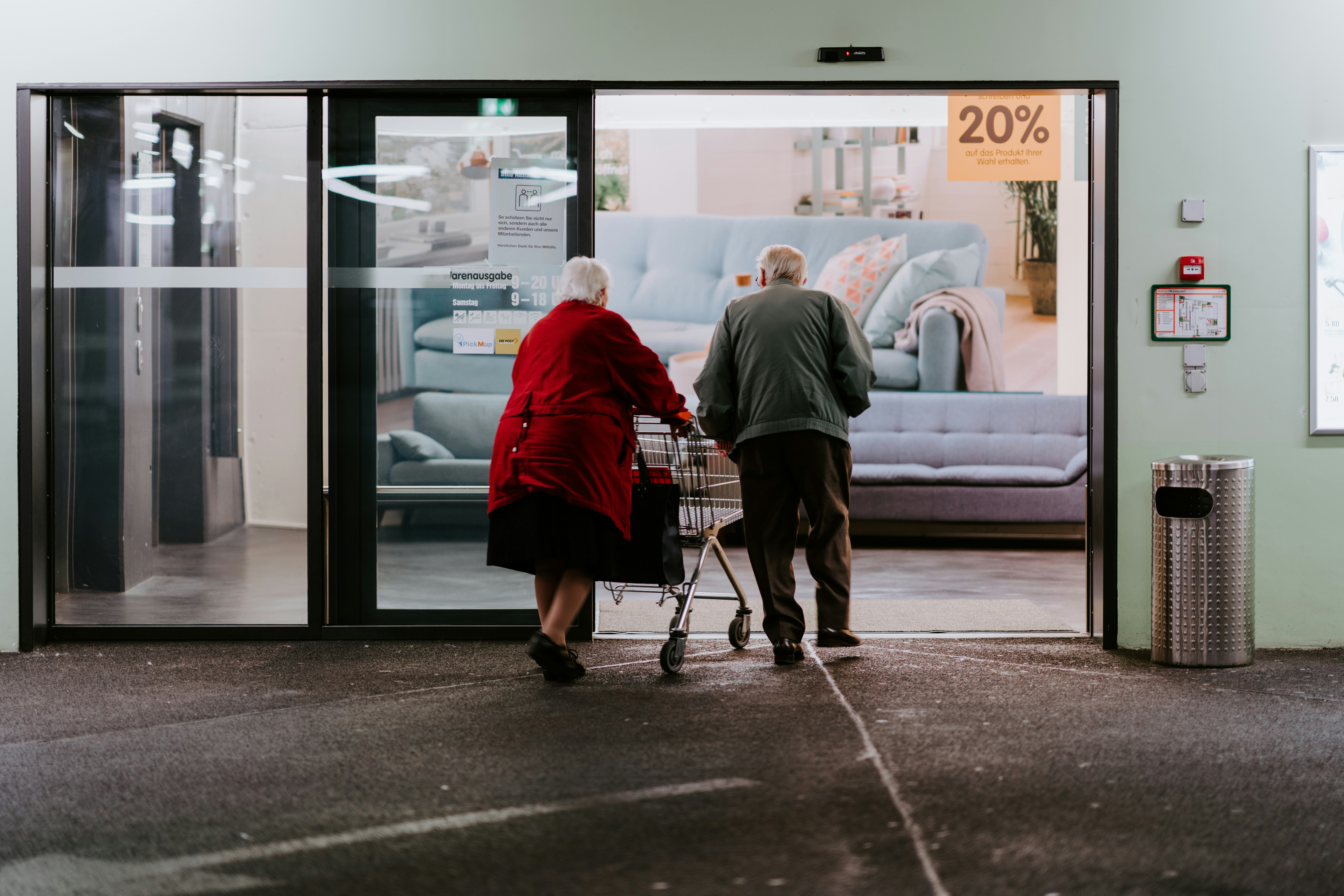
Many seniors won’t tell their family they’re lonely — out of pride, out of a desire not to be a burden, or simply because they’ve normalized it. These are the signs to watch for:
- Declining communication: Fewer calls, shorter conversations, or reluctance to pick up the phone. They may take much longer to return messages.
- Rarely leaving home: Staying indoors for days at a time, skipping activities or social groups they used to enjoy, or expressing no interest in outings.
- Sleeping too much or too little: Isolation disrupts circadian rhythms. Watch for extreme changes in sleep patterns or complaints of excessive fatigue without a medical cause.
- Loss of interest in hobbies or self-care: Neglecting grooming, giving up hobbies they loved, or expressing a sense of purposelessness. “What’s the point?” is a phrase to take seriously.
- Increased talk of death or being a burden: Remarks like “I’ve had my time” or “I don’t want to be a burden to anyone” should never be ;dismissed. These can indicate depression or worse.
- Cognitive changes: Memory slips, confusion, or difficulty holding a conversation that wasn’t present before. The brain without social stimulation declines faster.
What Indiana Families Can Do Right Now
The good news: senior isolation is largely preventable and reversible. Research shows that even modest increases in social connection produce measurable health benefits. Here’s a practical roadmap for families.
Practical Steps to Combat Senior Isolation
- Schedule regular visits and calls: Consistency matters more than frequency. A predictable Tuesday call your parent can look forward to does more than an unpredictable flurry of contact.
- Reconnect them with community: Senior centers, faith communities, library programs, and local volunteer organizations offer structured social engagement — and transportation assistance in many Indiana counties.
- Explore technology options: Video calling, simple social tablets designed for seniors, and even virtual senior social groups can bridge the distance for families who can’t visit often.
- Talk to their doctor: Ask that their physician screen for loneliness and depression at regular appointments. Many primary care providers now use validated isolation screening tools.
- Consider in-home companionship care: A professional caregiver who visits regularly provides not just practical assistance but consistent, warm human connection — often becoming a trusted presence your loved one looks forward to seeing.
How In-Home Care Addresses Senior Isolation Directly
For many Indiana families — especially those managing long-distance caregiving — professional in-home care is the most practical and effective solution to senior isolation. And it does far more than many families realize.
At Indy In-Home Care, our caregivers are trained to provide meaningful companionship alongside hands-on assistance. Whether it’s sharing a meal, helping with light exercise, playing cards, accompanying a senior to a doctor’s appointment, or simply sitting and talking — these interactions deliver the social stimulation that aging brains and hearts need to stay healthy.
The benefits of regular in-home care visits for isolated seniors include:
Consistent human connection:
Unlike sporadic family visits, a scheduled caregiver provides a reliable social relationship your loved one can count on — the kind of predictable connection that research shows is most beneficial for mental health.
Safety monitoring and early intervention:
A caregiver who sees your parent regularly is positioned to notice changes in mood, appetite, cognition, or physical health early — before a small problem becomes a crisis. For isolated seniors living alone, this can be life-saving.
Support for daily activities that preserve dignity and independence:
When seniors can no longer safely manage tasks like cooking, bathing, or transportation on their own, the alternative is often a care facility — a transition that itself frequently worsens isolation. In-home care allows older adults to age in place in the comfort of their own home, maintaining independence and connection to their community and routines.
Peace of mind for working families:
Many adult children in Indiana are simultaneously managing careers, raising their own children, and worrying about an aging parent. Knowing a trusted professional is there — not just occasionally but consistently — is transformative.
Indiana Senior Home Care
Is Your Loved One Showing Signs of Isolation?
Indy In-Home Care provides compassionate, professional in-home care services across Indiana — designed to keep seniors connected, safe, and thriving at home.Learn About Our Services
The Difference Between Solitude and Isolation
One important nuance: not every senior who spends time alone is isolated in a harmful way. Healthy solitude — quiet time chosen freely by someone who also has meaningful social connections — is different from involuntary isolation. Many older adults are introverted by nature and genuinely recharge in quiet.
Harmful isolation typically involves involuntary withdrawal, declining function, and a lack of relationships, rather than a mere preference for quiet. When speaking with aging parents, ask directly: “Do you feel lonely?”. This simple question often reveals honest answers that observation misses.
Frequently Asked Questions About Senior Isolation
How do I know if my elderly parent is isolated vs. just introverted?
The key signal is involuntary withdrawal and declining wellbeing. If your parent used to enjoy activities or relationships and has stopped — and seems less happy, less sharp, or less healthy as a result — that’s isolation, not introversion. Ask them directly: “Do you feel lonely?” is one of the most effective tools we have.
Can in-home care really help with loneliness, or is it just for physical needs?
Absolutely. Companionship is a core part of professional in-home care. A trusted caregiver who visits regularly provides consistent social connection — conversations, shared activities, outings — that meaningfully reduces isolation and its health impacts.
How often should a home caregiver visit to make a difference for isolated seniors?
Research suggests that even a few hours of regular, predictable social engagement each week produces measurable benefits. The key is consistency — a scheduled relationship your loved one can anticipate and look forward to. Many families start with 2–3 visits per week and adjust based on their senior’s needs and preferences.
What in-home senior care services are available in Indiana?
Indiana families have access to a range of in-home care services including companionship care, personal care assistance, light housekeeping, meal preparation, medication reminders, transportation assistance, and more. The right mix depends on the individual’s needs and level of independence.
Does Medicare or Medicaid cover in-home care in Indiana?
Indiana’s Medicaid Aged and Disabled Waiver program covers certain in-home care services for eligible seniors. Medicare may cover skilled home health care following a qualifying hospital stay. Private pay and long-term care insurance are also commonly used. A senior care coordinator can help you navigate the options available to your family.
The Bottom Line: Connection Is Healthcare
Senior isolation is not a soft problem. It is a documented health risk as serious as obesity, smoking, or high blood pressure — and it is more prevalent and less addressed than any of them. For Indiana families watching an aging parent or grandparent withdraw from the life they used to love, the time to act is now.
The interventions that work are not complicated: regular contact, reconnection with community, and — when families can’t be present as often as they’d like — professional in-home care that provides both practical assistance and the human connection that older adults need to thrive.
At Indy In-Home Care, we believe every senior in Indiana deserves to age with dignity, safety, and connection — in the comfort of their own home, surrounded by the people and places they love. If you’re concerned about an isolated older adult in your life, we’d be honored to help you think through the options.
Senior isolation is a hidden danger. But it doesn’t have to stay hidden — and it doesn’t have to win.